Replacing a Mobile Home on the Same Property: Mobile Home Removal Made Simple
Replacing a Mobile Home on the Same Property in the United States
Replacing a mobile home on the same property in the United States usually requires removing the existing home first, followed by permits, site prep, and installation of the replacement unit.
Replacement differs from renovation because many older manufactured homes cannot support current setup standards or updated utility connections. Halfway through the process, most homeowners realize removal controls everything that comes next. Zoning offices and mobile home parks often require full removal before approving delivery of a new unit, even when the footprint stays the same.
That’s where organizations like Mobile Home Donation come into play.
The nonprofit works with licensed movers to remove qualifying manufactured homes, which can help homeowners avoid paying demolition costs while keeping projects on schedule. Homeowners also benefit from the tax deduction! Some jurisdictions also require proof that the original home has been removed before issuing setup permits.
Starting with a trusted mobile home removal plan reduces delays and prevents budget overruns tied to mobile home removal decisions. Contact Mobile Home Donation to see if you qualify for free removal!
What Must Happen Before You Can Replace a Mobile Home
Several required steps must happen before replacement can move forward. Title ownership needs to be clear, with no liens blocking removal or transfer.
Local zoning offices or mobile home parks usually require written approval before any structure leaves the site. Utility providers must disconnect water, power, gas, and sewer lines before crews can access the home safely.
Inspections may also come into play. Homes marked as condemned or unsafe often face stricter removal rules and tighter timelines. Handling these steps upfront prevents delays once a new home gets scheduled for delivery. Preparation keeps costs predictable and avoids last-minute rescheduling fees.
Before removal begins, homeowners should confirm:
- Clear title and lien status
- Written zoning or park approval
- Scheduled utility disconnections
- Inspection or condemnation status Completing these checks early keeps replacement projects on track and avoids administrative roadblocks.
Mobile Home Removal Options When Replacing on the Same Lot
Mobile home removal options vary based on the home’s condition, location, and future plans for the property.
Demolition becomes unavoidable when a home shows structural failure, unsafe materials, or lacks transport access. Crews dismantle the unit and haul debris to approved disposal sites, which increases cost and cleanup time.
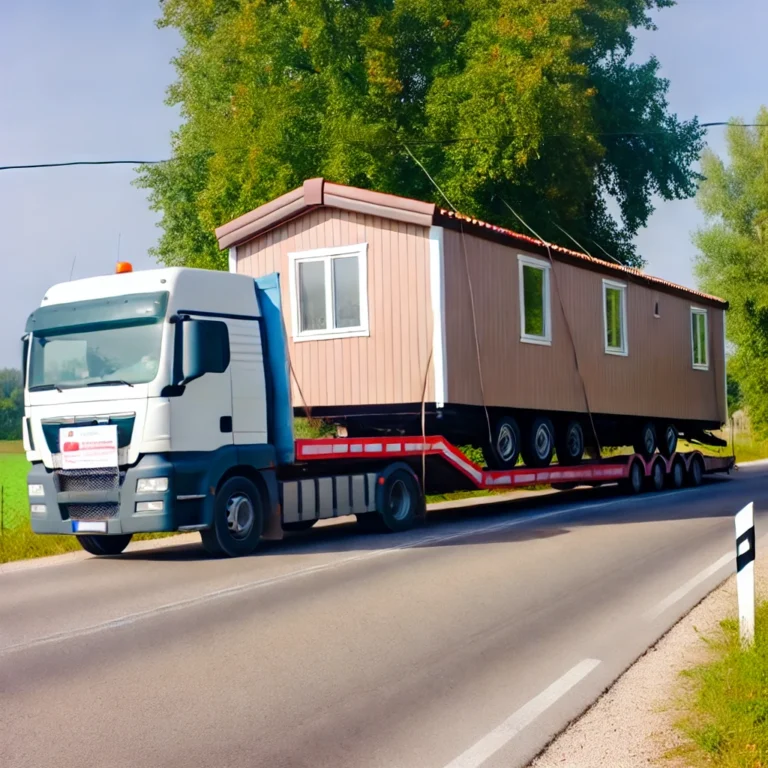
Relocation offers another path when the home remains structurally sound and titled correctly. Movers transport the unit intact, often reducing landfill fees.
Donation-based removal applies when a home qualifies for reuse through housing programs.
That option avoids demolition entirely and shortens site turnover. Time and cost differences between methods can be significant. Demolition takes longer and costs more. Removal through relocation or donation often clears the property faster and limits out-of-pocket expenses.
Choosing the right method sets the pace for the entire replacement process.
Timeline: How Long It Takes to Replace a Mobile Home on the Same Property
Replacing a mobile home on the same property usually takes a few weeks to a few months, and scheduling drives most of the timeline.
Removal often takes 1 to 3 days once crews arrive, but prep work can take longer than the actual removal. Permit approvals commonly take 1 to 4 weeks depending on the county or park office. Site prep can overlap with paperwork, which helps the project move faster.
Contractors can often grade the site and prep utility stubs while permits process. Delays usually happen when owners wait to schedule utility disconnects, discover title issues, or get surprised by park rules.
A simple timeline looks like:
- Approvals and title checks
- Utility disconnects and removal
- Site prep and new home setup
Cost Factors That Affect Replacing a Mobile Home on Your Property
Replacement costs vary because each property has its own removal and setup requirements.
Removal method plays a big role. Demolition costs more than relocation or donation-based removal because crews must break down materials and pay disposal fees.
Foundation choices also shift the budget. Reusing an existing pad can reduce labor, but older slabs often need repairs, upgrades, or a full replacement to meet current setup requirements.
Utility reconnection adds another layer. New homes sometimes require updated service panels, new water lines, or a sewer connection change, and those upgrades raise costs quickly.
Distance affects pricing as well. Disposal or transport routes can add hauling fees, especially when the nearest approved landfill sits far from the property.
Smart planning keeps the project moving and limits expensive surprises.

Mobile Home Donation Helping Homeowners Replace Mobile Homes Across the United States
Mobile Home Donation helps homeowners across the United States remove unwanted manufactured homes so they can move forward with replacement plans. Qualifying homes can be removed for free through partnerships with licensed mobile home movers, which can save homeowners thousands compared to paid demolition.
Donation-based removal focuses on relocating the home for reuse, which avoids debris hauling and landfill charges that come with teardown. Owners get a cleared lot and a smoother path to installing the replacement unit. Families benefit too, since donated homes support affordable housing opportunities. Homeowners can review eligibility and learn how the process works through Mobile Home Donation.
Frequently Asked Questions About Replacing a Mobile Home on the Same Property
Do I have to remove my old mobile home before placing a new one?
Most properties require removal of the old mobile home before a new unit can be placed, since zoning rules, park policies, and setup permits often depend on the old home leaving the site first.
Can I replace a mobile home on the same foundation?
Replacing a mobile home on the same foundation is possible when the slab or pier system meets current requirements, matches the new home’s footprint, and supports updated anchoring and utility connections.
How much does it cost to remove a mobile home before replacement?
Removal costs depend on method and access, with demolition commonly running thousands due to labor and disposal, while relocation or donation-based removal can lower or eliminate out-of-pocket costs.
Can an old mobile home be removed for free before replacement?
Some old mobile homes can be removed for free before replacement if they qualify for donation-based removal and remain accessible for transport, even if they need cosmetic work.